David | Home
Hello, I'm David Bijak Santoso
Game & Level Designer | 3D Artist
I'm a Game Level Designer with a side talent of being a 3D Artist. I'm mainly specialized in level design since 2024.I'm currently studying Bachelor of Games and Interactive Environments in Queensland University of Technology in Brisbane, Australia.
My Projects
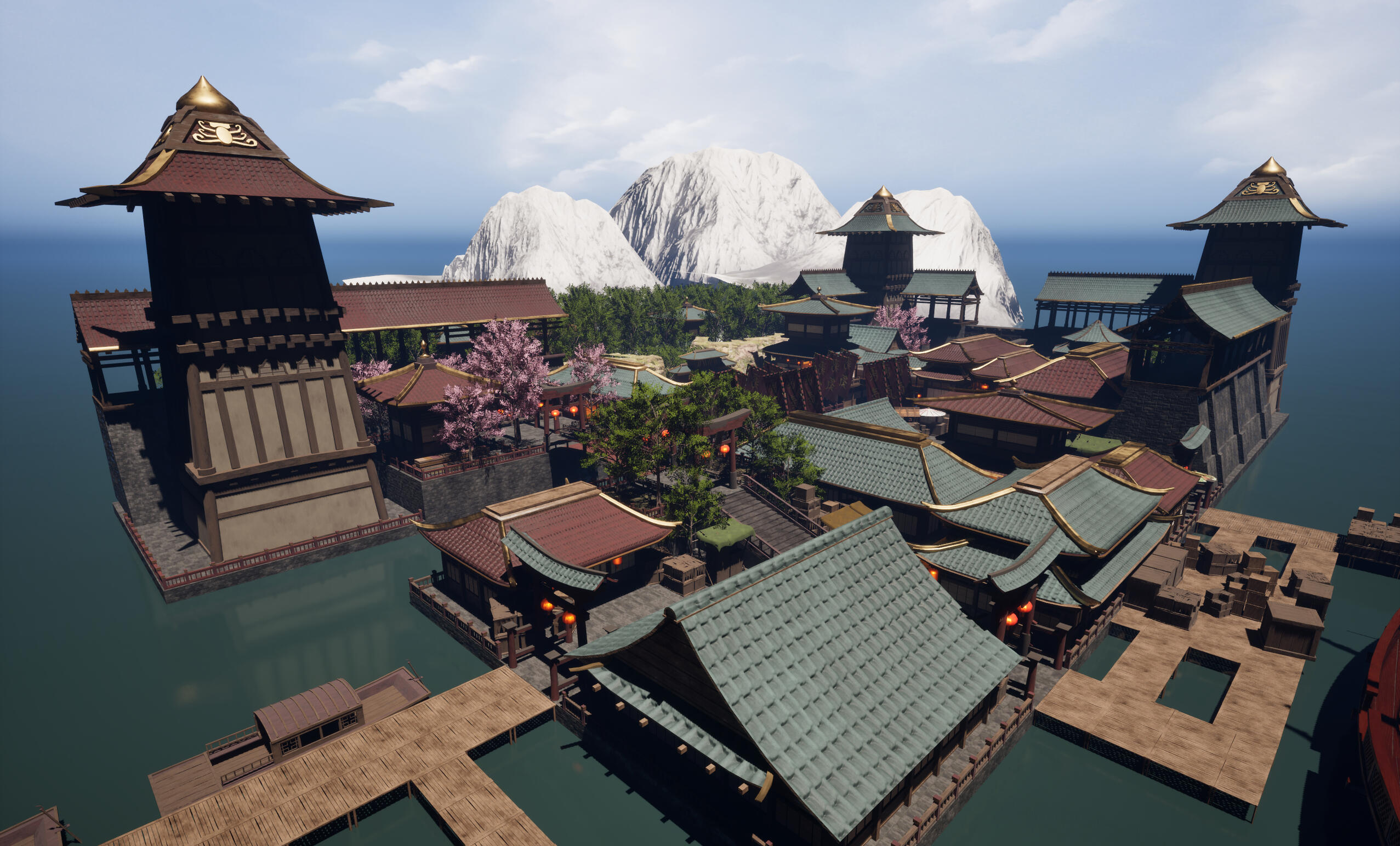
Valorant Japan Map | Level Design | Unreal Engine
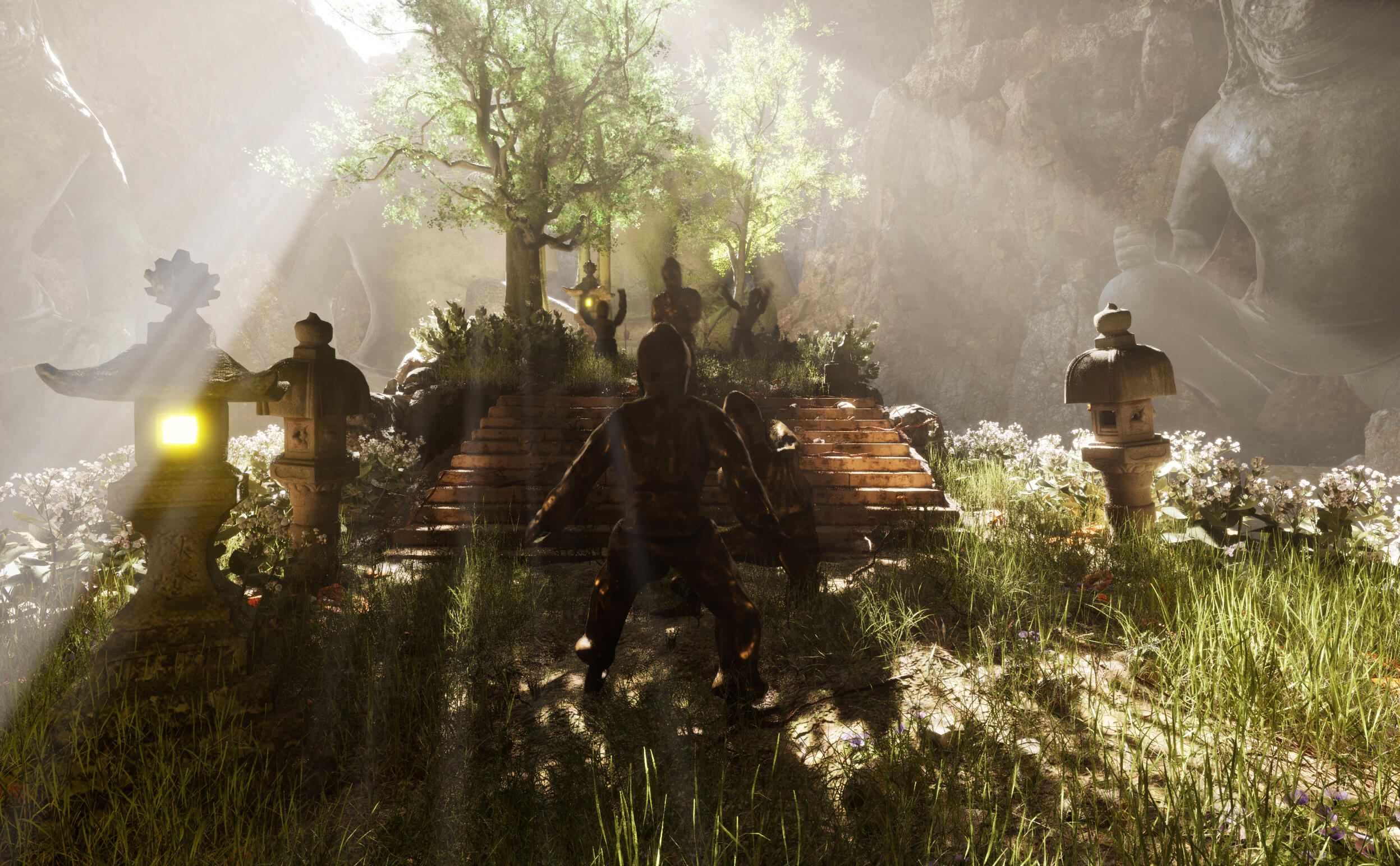
Environment Cinematic Cave | Level Design - 3D Modelling | Unreal Engine - Autodesk Maya - Substance Painter - ZBrush
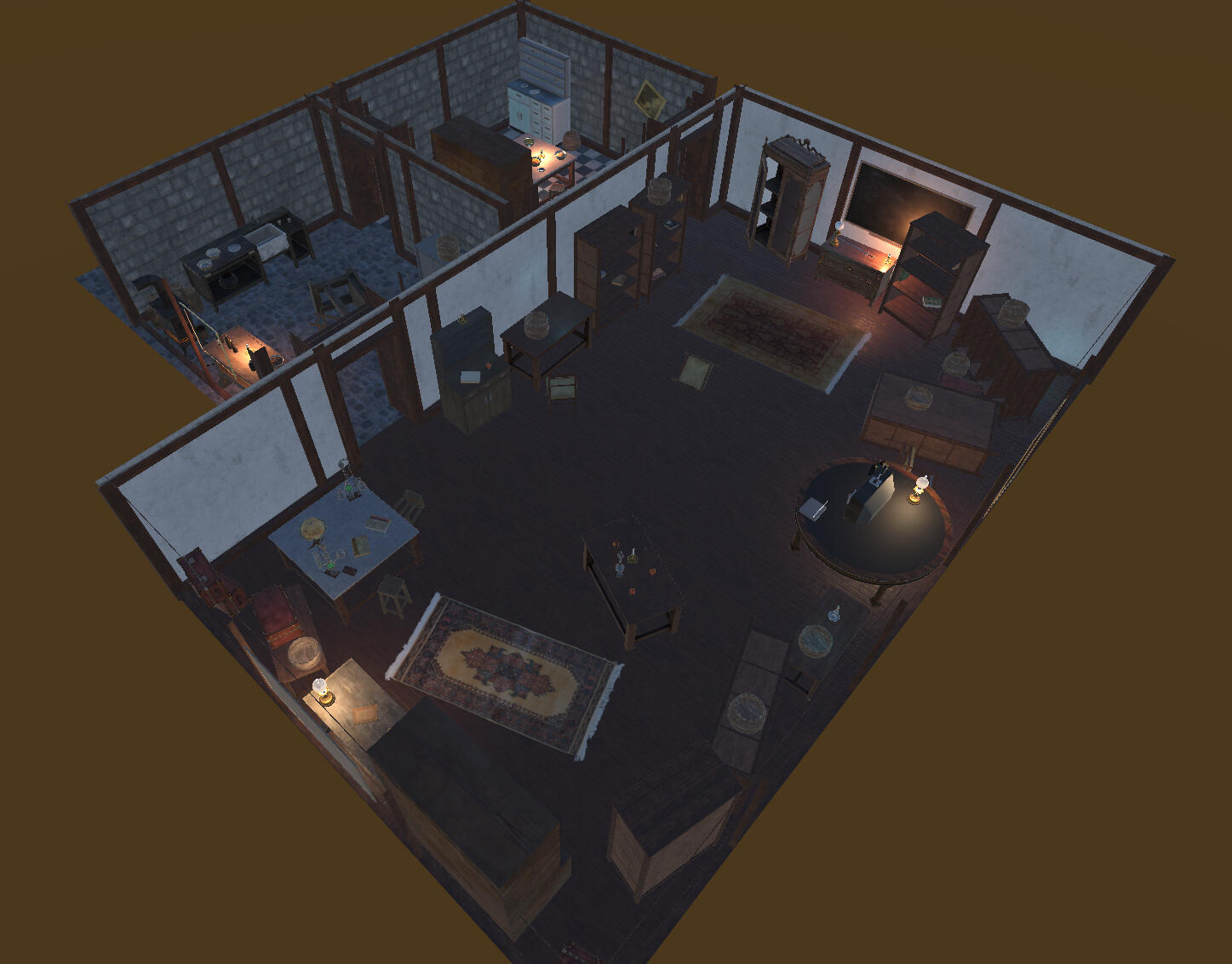
Ghost Exposure VR | Level Design | Unity
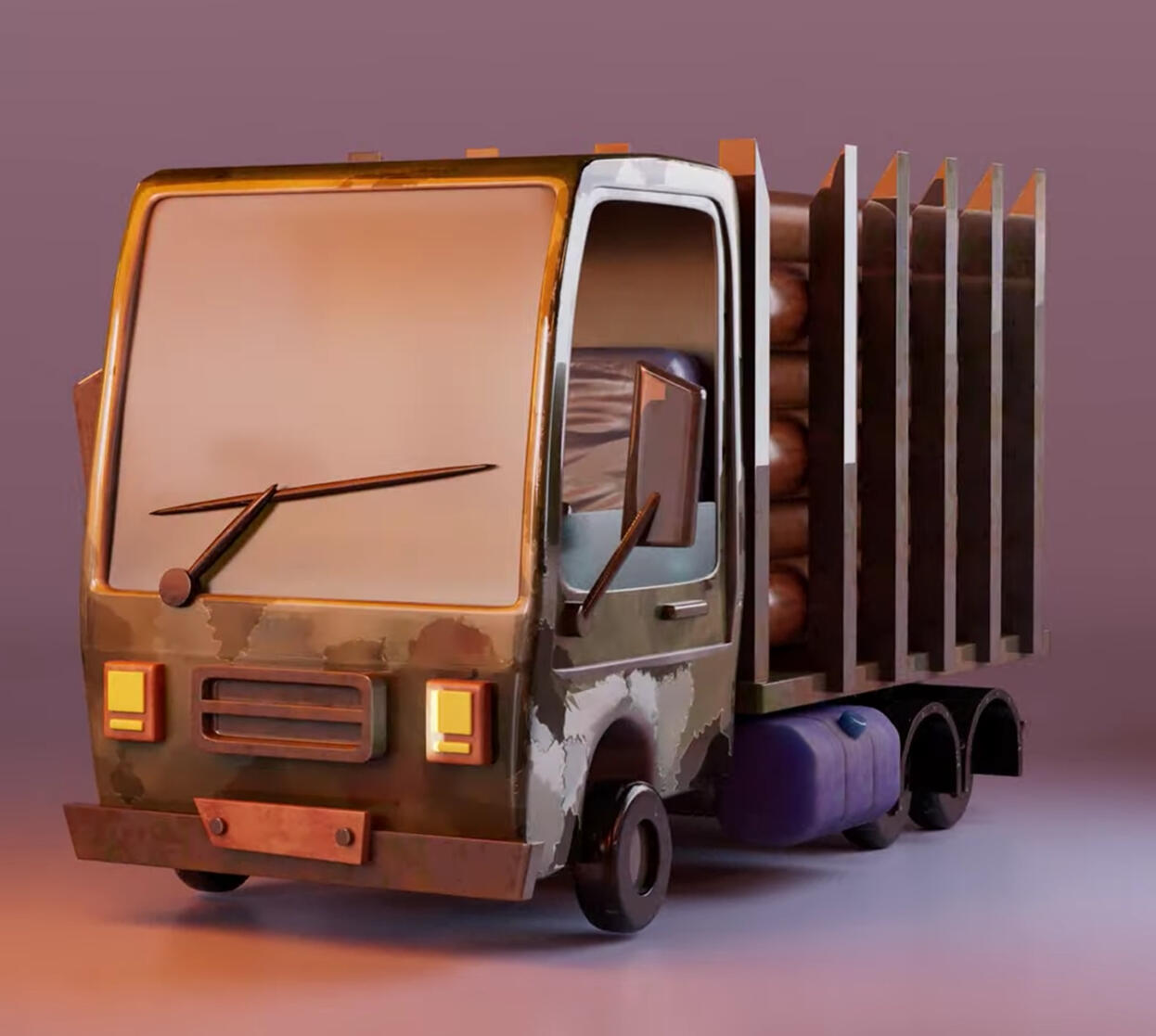
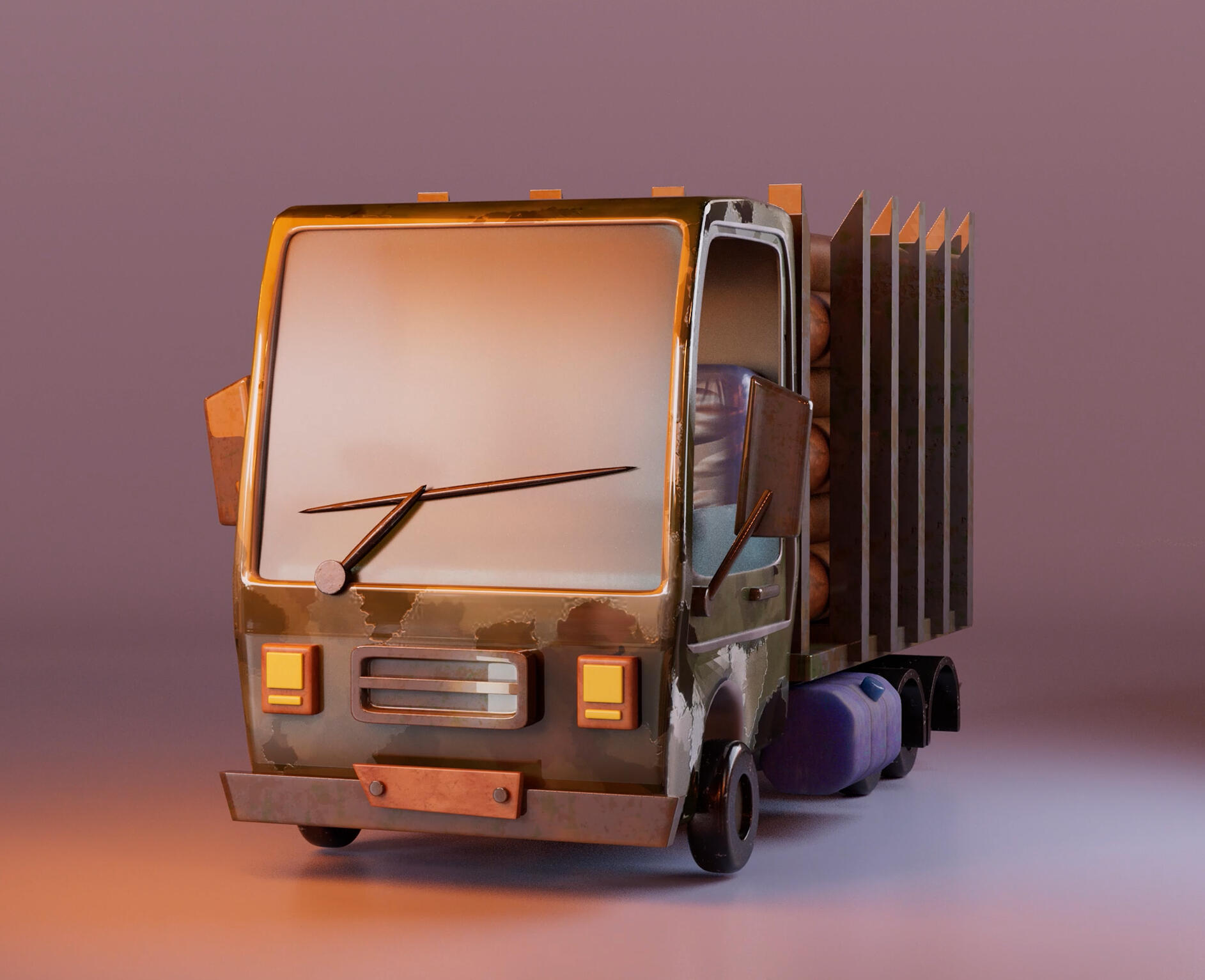
Truck Model | 3D Modelling | Autodesk Maya - Substance Painter
David | Projects
Valorant Japan Map

Project Overview
| Role : | Level Designer |
| Game Engine: | Unreal Engine 5 |
| Project Type: | Solo University Project |
| Focus: | Level Design |
| Genre: | Valorant First Person Shooter |
| Game Mode(s): | 10-12 Players Deathmatch/Team Deathmatch |
| Assets: | Fab Assets: Asian Town, Maritime Heritage, First Person Arms & Weapons, Megascans |
| Project Year: | Semester 2, 2024 |
Valorant Japan Map is a competitive FPS level set in an Edo period Japanese trading port. The level was designed around Deathmatch and Team Deathmatch that combine close, medium, and long range combat spaces with interconnected routes, chokepoints, flanking opportunities, and readable landmarks.My goal was to create a visually distinctive environment while maintaining clear navigation and varied combat encounters.
Design Responsibilities
• Designed the overall map layout and player flow
• Designed combat spaces for multiple engagement ranges
• Created chokepoints, flanking routes and connecting spaces
• Designed cover placement and sightlines
• Designed spawn areas
• Used lighting and environmental landmarks to support navigation
• Built and dressed the level in Unreal Engine
Extra Design Notes
1) Varied Combats/EngagementCreate spaces supporting different engagement ranges rather than having every encounter feel identical.2) Multiple Routes/FlanksGive players primary routes and alternative flanking options to discourage static/camping heavy encounters.3) Readable Navigation & PatternsUse architecture, lighting and recognizable spaces to help players understand where they are.
Map Overview
Final Product
A. Theme: I have created a Valorant map that is set in Edo period of Japan. It is a Japanese port that do trading, load and unloading supplies with Korean ships. Japanese ships can also be seen on the deck and through the canal. The port is on a snowy and forest mountain surrounded by vast ocean on a broad daylight. It has unique lighting using paper lanterns and Japanese traditional lamps that brighten the dark areas on the map. Shrines, stands, bridges, and all kinds of unique structure exist to create an aesthetics relating to medieval Japan.B. Level Flow: This is a map for ‘Deathmatch” and “Team Deathmatch” game mode, although initially it was meant to be for Overwatch’s Control Point as well. The game mode Team Deathmatch works flawlessly in this map, because it supports, short to long range combat and involving character abilities and ultimate abilities. However, the Overwatch’s Control Point does not cooperate in this map and the reason is that there are no point A and B that are distance enough and have good cover for players. In addition, some chokepoints and entrances are too small for large characters to go through. Furthermore, some character’s ability may be broken for certain area due to no high ground cover (Pharaoh with her flying ability and Widowmaker’s grappling hook skill).
Valorant’s normal Deathmatch fits perfectly in here because it locks player’s abilities and solely dependent on their weapons. Furthermore, the map creates a casual style and atmosphere for players to enjoy.
Although Team Deathmatch can be integrated on this map, further playtesting needs to be made because of character’s skills or abilities that may create small problems. Other than that, this map is good for that game mode.
Furthermore, both game modes works well when players die, they will spawn randomly on the map. The map has a lot of cover and corner areas for player to spawn in. In addition, camping can be quite annoying so Team Deathmatch enables skills that can help that. Other than that, grenades work as well.C. Gameplay Mechanics:
Here are some information to add for understanding and balances:
1. Boxes and carts are used for cover and block enemy’s projectile (including skills & grenades). They also use for borders so players cannot go through.
2. Bridge fencing, Fences, trees, building rooftops, market rooftops, and public chair’s backrest cannot be jump over for balancing. Although you can jump stair’s handrail and boats.
3. Player cannot shoot or use any projectile through flags and lamps. Although you can on tree branches.
4. Deathmatch spawns randomly further from opponents and their sight of view.
5. Players cannot swim on water (they will die immediately).
Initial Design
First concept of this map was made for Deathmatch and bomb defuse. The set theme was a mix between Japanese neon sign 80’s (on the right) and a European Dutch/Barcelona architecture (on the left), also a canal river in the middle. Furthermore, theme help players to not get confused where their positions at, which also helps for callout opponents.
Additional Features
Multiple boxes are used to create bigger cover, but some may have small space that players can see through. This is not a feature, since players cannot use that for their advantages. This is only for realism and nothing else, so players cannot see and shoot through those gaps.flanking route for players to go around in case they are being camped.Players cannot go through certain area next to the large Korean boat to prevent out of bounds/combat.
Contacts:
David | About Me
Hello, I'm David Bijak Santoso
Game & Level Designer | 3D Artist
I'm here for your game level designing needs. I know my the inside out of FPS (First Person Shooter) designing. I'm also interested in exploring 3D Models creation. On top of that, I'm a great teamworker and fulfill my role as a level designer well.I have wide experience in multiple game designing & 3D softwares such as: Unreal Engine, Unity, Autodesk Maya, Substance Painter, and ZBrush.I'm currently studying Bachelor of Games and Interactive Environments in Queensland University of Technology in Brisbane, Australia.
My Skills & Experience With
Game Engines:


3D Modelling, Sculpting, Texturing Softwares:

Autodesk Maya

Substance Painter

ZBrush

Contacts:
David | Projects
Environment Cinematic Cave

Project Overview
| Role : | Level Designer & Environment Artist |
| Game Engine & Software(s): | Unreal Engine 5, Autodesk Maya, ZBrush, Substance Painter |
| Project Type: | Solo University Project |
| Focus: | Real Time Rendering & Environment Design |
| Assets: | Fab Assets: Cave Ruins, Temples of Cambodia, Korean Traditional Martial Arts, Nordic Coasts, Megascans |
| Project Date: | Semester 2, 2024 |
Environment Cinematic Cave is a real time environment created in Unreal Engine 5, depicting a forgotten sacred site hidden within an overgrown cave. The scene explores the relationship between nature, spirituality and abandonment through environmental composition, lighting and visual storytelling.My goal was to create a cinematic environment that guides the viewer toward the shrine as the main focal point while using light, vegetation, architecture and statues to suggest the history of the space.
My Responsibilities
• Designed and assembled the cave and shrine environment in Unreal Engine 5
• Developed the scene composition and visual focal points
• Created cinematic lighting to guide attention through the environment
• Modelled and sculpted the "Hero" idol using Maya and ZBrush
• Textured the idol using Substance Painter and a PBR workflow.
• Integrated reusable environment assets, foliage, materials and set dressing
• Produced the final real time cinematic presentation
Visual Design Goals
1) Focal point & CompositionGuide the viewer naturally toward the shrine and central idol using composition, framing and contrasting areas of light and shadow.2) Environmental StorytellingSuggest a forgotten sacred location through weathered architecture, overgrown vegetation, statues and environmental details rather than explicit narrative.
Workflow & Results
Custom Asset (Hero Idol) Workflow
1. Hero Idol Reference (Buddha Statue) & Low Poly Head in Autodesk Maya
2. Sculpting Details in Zbrush
3. Textured Model in Substance Painter
4. Rendering in Unreal Engine
Custom Asset (Hero Character) Workflow
1. Hero Character add body in Zbrush
2. Retopologize in Autodesk Maya
3. Textured Model in Substance Painter
Final Product
This project introduced me to a complete real time environment workflow, from reference gathering and asset creation through set dressing, lighting and final cinematic presentation.It strengthened my understanding of composition, environmental storytelling, PBR materials and real time rendering while giving me experience moving between Maya, ZBrush, Substance Painter and Unreal Engine 5.
Contacts:
David | Projects
Ghost Exposure VR
Project Overview
| Role : | Level Designer |
| Game Engine & Software(s): | Unity |
| Project Type: | Group University Project |
| Genre: | VR Game |
| Focus: | Level Design & Environmental Interaction |
| Assets: | Unity Assets Store: Alchemist House, Shelves01 Pack |
| Project Date: | Semester 5, 2026 |
Ghost Exposure is a first person VR ghost hunting game set inside a haunted house. Players explore the house using a Polaroid camera to locate and photograph invisible ghosts.As the Level Designer, I focused on designing and dressing the haunted house environment to support VR exploration, player navigation, and the game's ghost hunting mechanics.
My Responsibilities
• Designed and assembled the level layout in Unity
• Created distinct spaces for gameplay interactions and exploration.
• Placed and arranged environmental assets to establish the haunted house setting
• Considered player navigation and visibility when arranging rooms, furniture and pathways.
• Worked, share ideas, and feedbacks with the team to accommodate gameplay interactions within the environment.
Level Design Notes
1) VR NavigationThe environment was arranged with open pathways between furniture and rooms to make movement and exploration comfortable and readable in VR.2) Ghost SearchingRooms were designed with furniture, walls, doorways and environmental objects that create opportunities for ghosts to appear and encourage players to actively search the environment rather than photograph an entire room at once.3) Haunted House EnvironmentEnvironmental props and room layouts were used to create the feeling of an inhabited but unsettling house while giving different areas their own visual identity.
Level Overview & Layouts
The level consists of a central workspace connected to smaller rooms, allowing the player to move between different areas while searching for paranormal activity. Furniture and environmental props were used to define individual spaces while maintaining clear paths through the environment.
Contacts:
David | Projects
Truck Model

Project Overview
| Role : | 3D Artist |
| Game Engine & Software(s): | Autodesk Maya, Substance Painter |
| Project Type: | Solo University Project |
| Focus: | 3D Modelling & Texturing |
| Project Date: | Semester 1, 2024 |
My Responsibilities
• Modelled the complete truck asset in Autodesk Maya
• Used reference images to establish the vehicle's proportions and silhouette
• Created individual components for the cabin, wheels and rear body
• Prepared UVs for texturing
• Created materials and textures for the finished asset
• Produced the final presentation/render
Truck Model is a stylised 3D truck created as a university modelling project. The project focused on developing a complete vehicle asset from reference images through modelling, UV mapping, texturing and final presentation.My goal was to translate the reference design into a stylised 3D model with additional ideas while developing my hard surface modelling and texturing workflow.
Workflow
Modelling Workflow
The model was gradually refined from simple forms into the final vehicle, with separate geometry created for the cabin, chassis, wheels and rear cargo structure.
UV Mapping Workflow
After completing the model, I created and organised the UVs in preparation for texturing.
Texturing Workflow
Materials and textures were added to establish the final stylised appearance, including variation and surface wear across the vehicle.
Final Model